

Is Payroll Keeping Your Business From Growing? Here’s How to Tell
Are you feeling stuck as your business grows? Payroll inefficiencies might be the unseen barrier holding you back, affecting your cash flow and employee management. Knowing the role of payroll is important because mistakes can cause errors, lost time, and dissatisfied employees. In this article, you’ll learn how to identify when your payroll system is failing, evaluate its performance, and find ways to make it work better. Let’s find out what’s really affecting your business growth!
Understanding Payroll’s Role
Payroll involves more than just giving out paychecks; it has a big impact on labor costs and employee morale.
Handling payroll on time and correctly builds trust and keeps employees loyal, lowering staff departures.
Offering solid employee benefits, like health insurance and retirement plans, can significantly improve job satisfaction and increase workforce productivity.
For instance, integrating tools like Gusto or BambooHR simplifies payroll management while ensuring compliance with tax regulations.
Regularly reviewing salaries ensures pay aligns with industry standards, helping to retain employees.
In the end, a strong payroll system meets financial needs and helps create a positive work environment, improving employee involvement. One of our most insightful case studies highlights common payroll errors and how to avoid them.
Importance of Efficient Payroll Systems
An efficient payroll system can save businesses hundreds of hours and thousands of dollars annually by minimizing payroll errors.
For example, cloud-based payroll software such as Gusto or ADP can handle calculations automatically and make sure taxes and deductions are correct. These platforms can make it easier to follow local labor laws, helping to avoid expensive fines.
Features such as direct deposit and electronic tax filing save significant time. To improve efficiency, businesses should routinely check payroll reports for errors and use automatic alerts for important deadlines.
By doing this, they improve accuracy and save resources for main business tasks.
Signs Your Payroll System is Hindering Growth
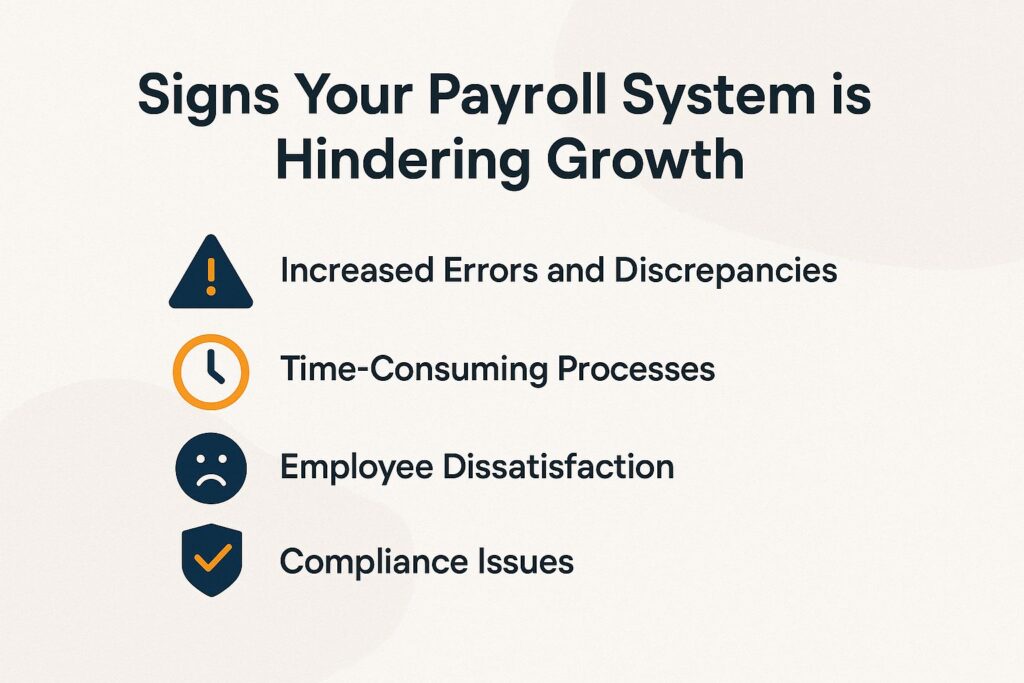
Recognizing the signs of a poor payroll system is important to avoid slow business growth and problems in operations. As mentioned in our examination of 7 payroll errors that could be costing you money, even minor missteps can have significant financial impacts.
Increased Errors and Discrepancies
Frequent payroll errors can lead to compliance violations and erode employee trust, resulting in costly penalties and financial risks.
Common payroll mistakes include miscalculations of hours worked, failure to account for overtime, and incorrect tax withholdings. These errors can trigger audits and fines, damaging your business reputation.
To mitigate these risks, consider using payroll software like Gusto or QuickBooks to improve payroll processing efficiency.
Gusto simplifies tax calculations automatically, minimizing human error, while QuickBooks allows you to easily track employee hours and pay rates.
Using these tools makes your payroll process run more smoothly and improves compliance and employee satisfaction.
Time-Consuming Processes
Handling payroll for long periods each month can consume a lot of time, distracting from important business activities and financial well-being.
Businesses can save 5-10 hours each month by using automatic payroll systems. Tools like ADP manage calculations, tax filing, and direct deposits, simplifying payroll tasks.
Paychex offers similar functionality with user-friendly dashboards and compliance support, ideal for small to medium enterprises. Switching to these platforms improves efficiency and lowers the chance of mistakes from manual entry.
Most companies report increased employee satisfaction due to timely payments and reduced administrative workload, allowing teams to focus on growth rather than repetitive tasks.
Employee Dissatisfaction
Discontent with payroll accuracy and timeliness can lead to high employee turnover rates, negatively affecting business culture.
Employees often feel undervalued when payroll discrepancies arise, impacting employee morale and loyalty.
To tackle this, businesses should implement regular surveys to gauge employee satisfaction with payroll processes. Tools like Google Forms or SurveyMonkey can facilitate anonymous feedback, allowing employees to voice concerns without fear.
Establishing quarterly feedback sessions encourages open dialogue, ensuring employees feel heard. By encouraging open communication about payroll issues, companies can build trust and responsibility, which helps lower staff turnover and makes the workplace better.
Compliance Issues
If businesses do not follow payroll rules, they can face heavy fines and legal problems.
To avoid these pitfalls, regularly review payroll laws that can change based on location and industry. Tools like Zenefits, which focus on compliance, help make sure your payroll is accurate and notify you quickly about any changes in rules.
Set up automatic notifications for legal updates to save time and lower risk. Think about holding regular training sessions for your payroll team so they know and follow the latest rules, promoting knowledge and responsibility.
Evaluating Your Current Payroll System for Better Compliance and Cost Management
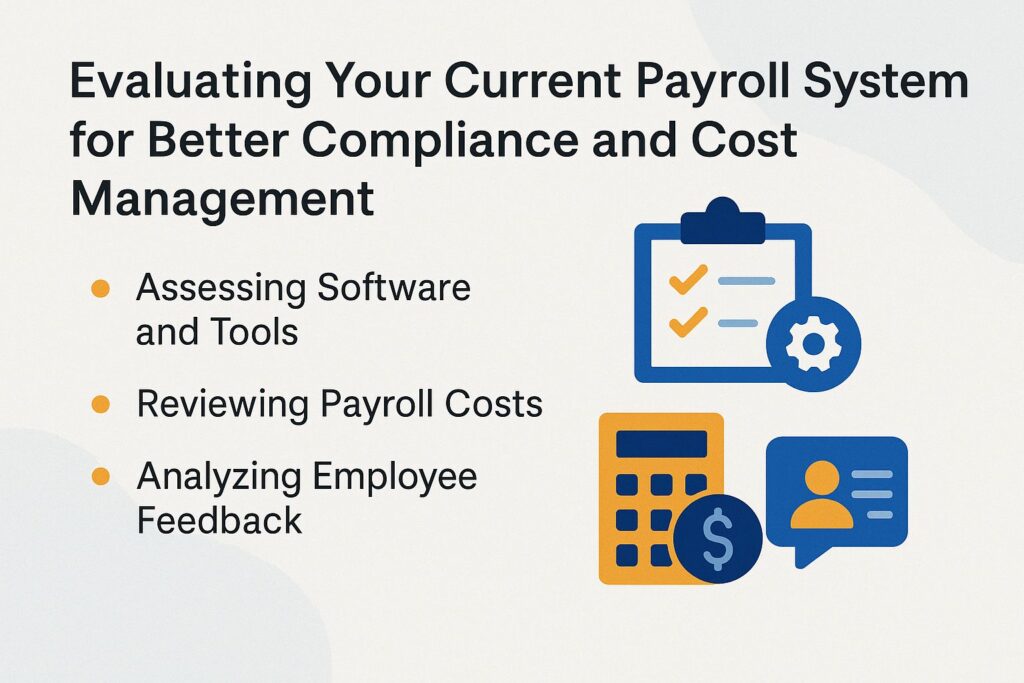
Reviewing your payroll system carefully can show problems and areas where you can make things better, impacting your profits. For insights into common issues, you might be interested in exploring 7 payroll errors that could be costing you money.
Assessing Software and Tools
Analyzing the payroll software you use is critical; outdated systems can lead to major inefficiencies, compliance risks, and operational costs.
- Start by carefully reviewing all your software. Evaluate popular solutions like Paylocity or BambooHR against your current requirements.
- Look into features like tax calculations done automatically, options for employees to manage their own information, and how well these systems fit with current HR software.
- For example, if your team needs immediate reporting, look into tools that have strong reporting functions.
- Also, check compatibility with mobile devices; many modern platforms provide apps for convenient access.
The goal is to align your payroll system with contemporary needs while minimizing risks and enhancing efficiency.
Reviewing Payroll Costs
Regularly reviewing payroll expenses can unearth opportunities for cost reduction and better resource allocation.
To analyze payroll costs well, use tools like Expensify or Fyle. These tools let you sort expenses and create reports on spending patterns.
Begin by setting up specific payroll categories, such as overtime, benefits, and taxes, then regularly import payroll data to keep track of these expenses.
Create monthly reports to identify spikes in certain categories, which may indicate potential inefficiencies. For example, if overtime consistently exceeds budget, consider adjusting staff schedules or hiring additional part-time workers to manage peak times without incurring extra costs.
Analyzing Employee Feedback
Collecting and examining employee feedback on payroll procedures can show where changes are needed.
One effective method is to implement anonymous surveys using platforms like SurveyMonkey or Google Forms. These tools let you create specific questions about how satisfied employees are with payroll, how long it takes to process, and how clear the information is.
Aim for concise, focused questions to encourage participation, such as ‘How satisfied are you with the accuracy of your paycheck?’ After collecting responses, analyze the data to identify trends and specific concerns.
Use the information learned to fix problems such as late payments or confusing deductions, and let employees know about changes to build their trust and happiness.
Strategies for Improving Payroll Efficiency and Operational Strategy
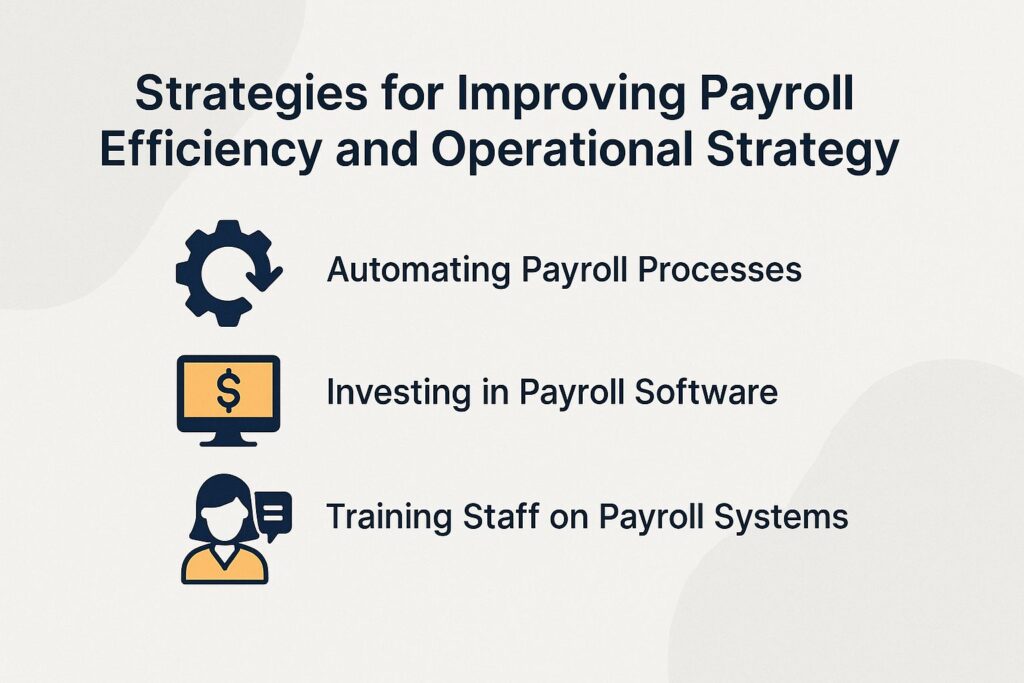
Improving payroll methods can greatly increase how smoothly your business runs. To achieve this, it’s essential to consider various tools and strategies. For example, understanding the best payroll software available in 2024 can help streamline operations and reduce errors.
Automating Payroll Processes
Using automated payroll systems can cut down payroll processing time by as much as 80%. This allows more time to be devoted to important tasks and helps the organization grow.
To achieve this, start by selecting payroll software that fits your company’s needs; popular options include Paychex and Gusto.
After selection, arrange for automatic calculations to keep wage payments on schedule. Configure the system for tax filings to stay compliant with regulations.
Make use of built-in reporting features to monitor payroll expenses. Many users say the initial setup takes a few hours, but it greatly improves payroll efficiency for their teams in the long run.
Investing in Payroll Software
Investing in modern payroll software can provide immediate ROI through time savings and reduced errors.
Among popular options, QuickBooks Payroll offers a starting plan at $25 per month, benefiting small businesses with a user-friendly interface and integration with existing QuickBooks accounts.
If you’re looking for more scalability, ADP begins at about $100 monthly and offers strong features, including detailed reports and help with compliance.
Gusto is a good option for mid-sized companies. It offers services starting at $39 per month, including a feature for employees to start their own onboarding process.
Choosing software that matches your business’s size and needs can greatly improve how well your payroll system works.
Training Staff on Payroll Systems
Proper training on payroll systems and employee classification is essential for minimizing errors and maximizing the benefits of your software investment.
To develop an effective training plan, consider scheduling monthly workshops focused on different aspects of the payroll system, such as data entry, tax compliance, and reporting.
Provide courses to employees through online platforms such as LinkedIn Learning, allowing them to access the material at their convenience. Plan to add these sessions with a detailed guide customized to your organization’s payroll processes.
Create a mentorship program where experienced employees help new hires. This approach encourages teamwork, keeps important knowledge, and supports a positive company culture.
Outsourcing Payroll: Advantages and Disadvantages for Better Work Efficiency
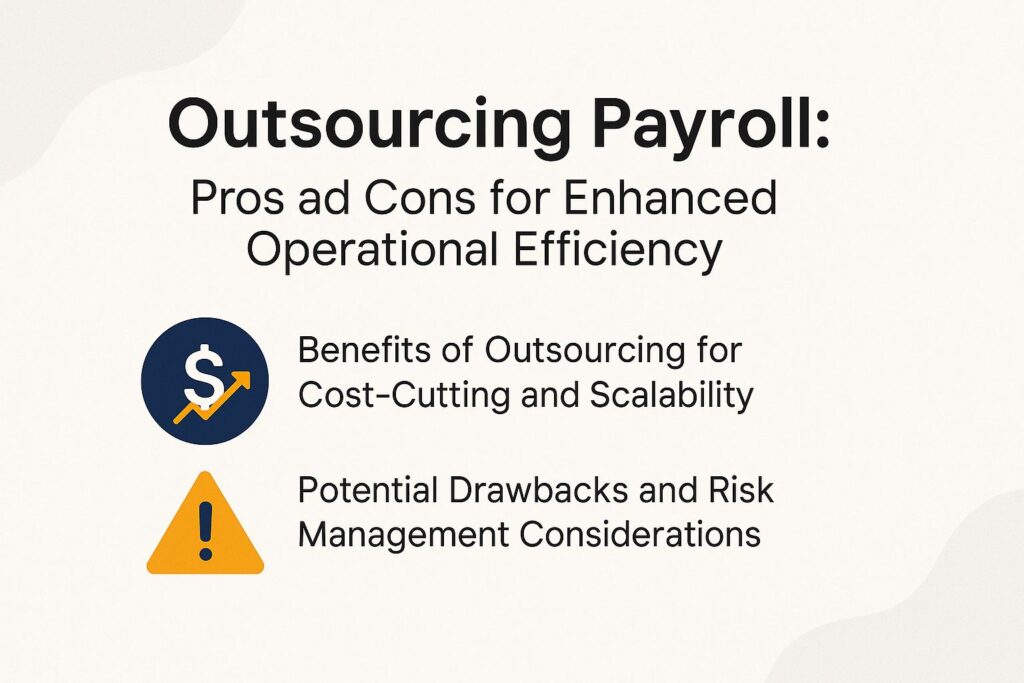
Outsourcing payroll can make operations run more smoothly, significantly reducing the administrative burden, but it’s important to consider the advantages and disadvantages before deciding.
Benefits of Outsourcing for Cost-Cutting and Scalability
Outsourcing payroll can save businesses between 18-30% in operational costs, thus aiding in cost-cutting efforts while increasing compliance accuracy.
By using services like Paychex or ADP, companies can easily handle payroll, tax paperwork, and employee benefits.
For example, Paychex provides an online tool that handles payroll calculations and creates tax forms, reducing the chance of mistakes. Businesses gain from having dedicated support teams to keep up with constantly changing regulations.
This is particularly important for small to medium-sized businesses that might not have enough resources to handle payroll internally. These tools help reduce expenses and save time, allowing businesses to concentrate on strategic planning and long-term growth.
Potential Drawbacks and Risk Management Considerations
Outsourcing payroll may lead to a loss of control over internal processes and potential communication gaps, impacting effective workforce management.
These risks can appear in different forms. For instance, relying on third-party service providers means sensitive employee data is at risk if proper data security measures aren’t in place.
To mitigate this, choose vendors that comply with data protection regulations such as GDPR. Communication lapses can hinder timely updates regarding payroll issues; establish clear channels of communication with your provider.
Regular audits and checks help keep both sides on the same page with payroll processes and updates in employment laws.
Measuring the Impact of Payroll on Business Growth and Financial Stability
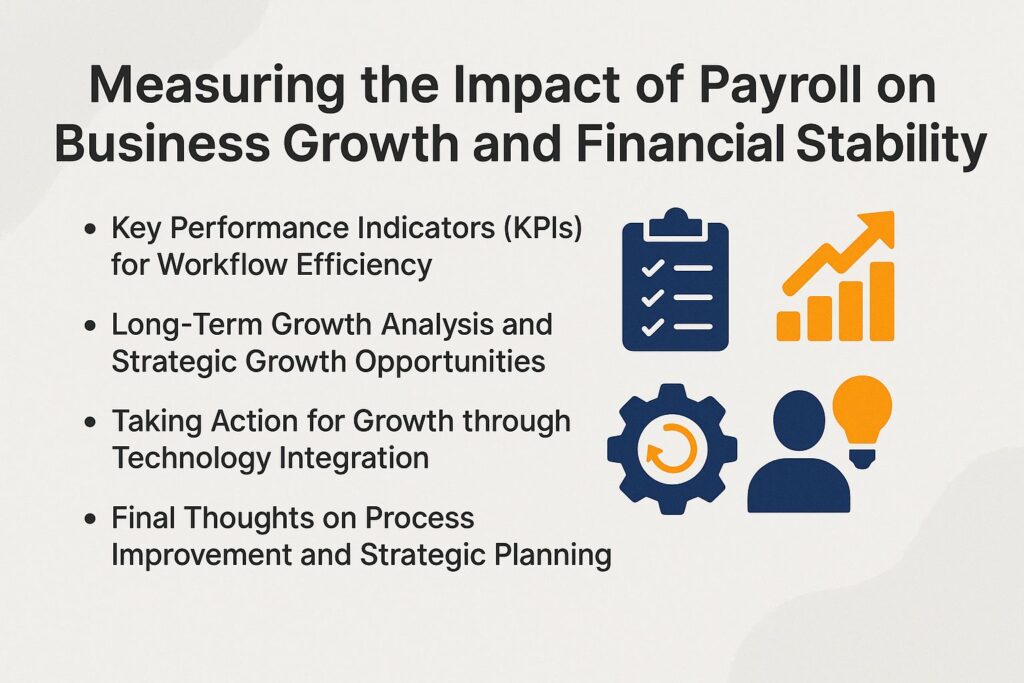
To see how payroll affects business growth, it’s important to measure key performance indicators. If interested, examining the cost of payroll outsourcing for small businesses can provide valuable insights into optimizing financial strategies.
Key Performance Indicators (KPIs) for Workflow Efficiency
Monitoring key performance indicators like how often payroll is correct, the rate at which employees leave, and any penalties for not following rules can show how well payroll is working and contribute to effective KPI tracking.
To keep track of these KPIs and improve decisions, begin by setting clear benchmarks.
- For payroll accuracy, aim for a target of 98% or higher.
- Use tools like Gusto or ADP, which provide detailed reporting features to help you see data trends.
- For employee turnover, calculate and analyze the annual percentage of employees leaving your organization; ideally, this should be under 10%.
- For compliance penalties, regularly review your reports using software like Zenefits to identify any discrepancies.
This method keeps your payroll system running smoothly and following all rules.
Long-Term Growth Analysis and Strategic Growth Opportunities
Looking at payroll costs over time alongside business expansion can show trends and necessary adjustments, providing a better understanding of financial figures and growth issues.
To evaluate how payroll affects your business’s growth and profitability, use financial modeling tools such as Fathom or LivePlan.
Start by analyzing payroll trends over consecutive quarters; for instance, plot payroll expenses alongside revenue growth on a line graph.
Next, make various situations to understand how upcoming hiring might affect your earnings. These models let you test things like increasing salaries or bringing in new staff, helping you make better decisions and improve financial forecasts.
Reviewing every six months helps you quickly react to shifts in business situations.
Using Technology to Encourage Growth
Implementing changes to your payroll system can yield significant results in both employee satisfaction and overall productivity.
To start, consider adopting cloud-based payroll tools such as Gusto, which offers user-friendly interfaces and benefits like automatic payroll tax calculations.
Make your workflow smoother by using software like Zapier to link payroll and other business tools, cutting down on manual payroll data entry.
Hold regular training sessions for your HR team to keep them informed about payroll compliance rules and how the software works.
By implementing these adjustments, payroll will be correct, and employees will have confidence in their pay, boosting their morale and helping to keep them with the company.
Final Thoughts on Process Improvement and Strategic Planning
Using a modern method for handling payroll is important in today’s competitive business environment, aiding in market competitiveness.
To make payroll tasks easier and improve cash management, think about using tools such as Gusto for automatic payroll handling, which simplifies tax calculations and direct deposit.
Utilizing software like BambooHR can improve employee self-service capabilities, encouraging staff engagement by allowing them to access payslips and tax forms easily.
Another effective method is implementing a real-time reporting system; tools like QuickBooks enable businesses to monitor payroll expenses proactively.
These strategic choices save time and cut down on mistakes, helping to create a more unified and flexible organizational setting.
About the Author
Kim Anderson is a Harvard University graduate with a bachelor’s degree in Accounting and Finance. She’s the owner of a successful payroll outsourcing firm based in California and a contributing writer for My Payroll Outsourcing. With 14 years of experience, Kim helps businesses streamline compliance, minimize administrative risk, and manage multi-state workforces with confidence.